
You’ve finally decided to stop borrowing those janky rec center paddles and invest in your own gear. Smart move.
But here’s the problem: search “best pickleball paddles” and you’ll drown in sponsored posts, influencer partnerships, and review sites that somehow love every single paddle. You know what I mean—those articles that make a $40 Amazon special sound like it’ll turn you into Ben Johns overnight.
Let’s cut through the noise. I’ve been playing pickleball for years, tested dozens of paddles, and talked to enough players to know what actually works. Your paddle choice matters more than you think. The right one improves your control, adds spin to your shots, and keeps your arm from screaming after a three-hour session. The wrong one? You’ll blame your technique when it’s really your gear holding you back.
This guide covers the five best pickleball paddles for 2026, from budget-friendly options to pro-level performers. Whether you’re a total beginner or making the jump from tennis, I’ll help you find the paddle that fits your game—not just the one with the flashiest marketing.
The 3 Best Pickleball Paddles for Every Budget (2026 Winners)
We tested dozens of paddles. Whether you want an affordable starter set or a pro-level carbon fiber weapon, here are your best options.
Quick Top Picks the best pickleball paddles: The TL;DR Version
Short on time? Here’s what you need to know:
- Best for Beginners: PCKL Launch Series – Forgiving, affordable, and USAP approved.
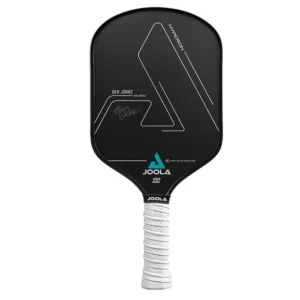
- Best for Spin: JOOLA Ben Johns Hyperion CFS 16mm – Textured carbon surface that grips the ball like crazy.
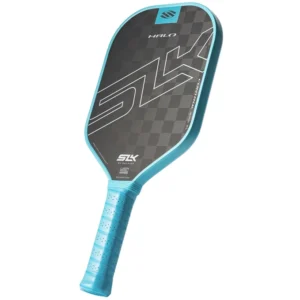
- Best for Power: Selkirk Vanguard Power Air Invikta – Elongated shape with serious pop.
- Best Budget Pick: niupipo Elongated – Solid graphite paddle under $50.
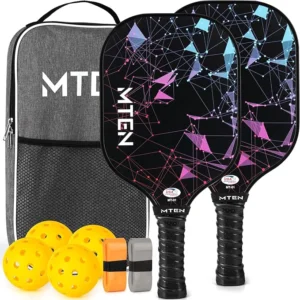
- Best Starter Set: JOOLA Ben Johns Blue Lightning Set – Two paddles, four balls, and a bag.
Now let’s break down exactly why each paddle made this list.
Detailed Paddle Reviews
1. PCKL Launch Series: Best Pickleball Paddle for Beginners
👉 Check Current Price on Amazon
Specs:
- Weight: 7.9 oz
- Face: Fiberglass composite
- Core: 13mm polypropylene honeycomb
- USAP Approved: Yes
Why We Love It The PCKL Launch Series gets beginners playing well without breaking the bank. That fiberglass face offers a larger sweet spot than carbon fiber alternatives, which means your mishits won’t sail into the net or over the baseline. The 13mm core provides enough cushion for solid control at the kitchen line while still giving you pop when you need it. At 7.9 oz, it sits in that perfect middle weight range.
- Best For: Complete beginners who want a quality paddle that’ll last through their first year of play.
- The Catch: If you’re an aggressive baseline player looking for maximum power, this isn’t your paddle. The fiberglass face favors control, not crushing drives.
👉 Get the PCKL Launch Series Here
2. JOOLA Ben Johns Hyperion CFS 16mm: Best for Spin & Control
👉 Check Current Price on Amazon
Specs:
- Weight: 8.4 oz average
- Face: Carbon Friction Surface (CFS)
- Core: 16mm reactive honeycomb polymer
- Shape: Hyperion (elongated with curved edges)
- USAP Approved: Yes
Why We Love It This is the paddle Ben Johns—the world’s #1 ranked player—actually uses in competition. That Carbon Friction Surface isn’t marketing fluff; it’s a textured carbon fiber face engineered to maximize spin. The 16mm core is thicker than most paddles, giving you exceptional touch around the net. You’ll feel exactly where the ball contacts the face, making dinking and soft game play ridiculously precise.
- Best For: Intermediate to advanced players who want maximum spin potential and precise control. Perfect if you’re transitioning from tennis.
- The Catch: At around $160, it’s an investment. New players won’t fully appreciate the spin capabilities until their technique improves.
👉 Grab the JOOLA Hyperion CFS Here
3. Selkirk Vanguard Power Air Invikta: Best for Power Players
👉 Check Current Price on Amazon
Specs:
- Weight: 7.8-8.2 oz
- Face: QuadFlex 4-layer hybrid (fiberglass + carbon fiber)
- Core: 13mm SuperCore polymer honeycomb
- Shape: Invikta (elongated)
- Assembled in USA
Why We Love It The Power Air Invikta is built for one thing: crushing balls. That elongated Invikta shape gives you extra reach and leverage. The Air Dynamic Throat reduces air resistance and allows the paddle to flex more on contact, generating serious ball speed. The QuadFlex face combines the forgiveness of fiberglass with the spin and power of carbon.
- Best For: Intermediate players with solid fundamentals who want to add power to their game. Great for singles play.
- The Catch: The edgeless design and power-focused construction make soft game slightly harder. It’s also one of the louder paddles on the market.
👉 Get the Selkirk Power Air Invikta Here
4. niupipo Elongated Pickleball Paddle: Best Budget Option
👉 Check Current Price on Amazon
Specs:
- Weight: 7.8-8.2 oz
- Face: Graphite carbon fiber
- Core: Polymer honeycomb
- Includes neoprene cover
- USAP Approved: Yes
Why We Love It Let’s be honest: not everyone wants to drop $150+ on their first serious paddle. The niupipo gives you legitimate graphite construction and an elongated shape at a fraction of premium paddle prices. That graphite face provides decent spin potential and a solid feel—miles better than composite or wooden paddles. The elongated shape gives you extra reach without requiring perfect positioning.
- Best For: Beginners who aren’t ready to commit to an expensive paddle, or as a solid backup paddle.
- The Catch: The build quality isn’t on par with premium brands like JOOLA or Selkirk. Expect this paddle to last 6-12 months of regular play before upgrading.
👉 Check Out the niupipo Paddle Here
5. JOOLA Ben Johns Blue Lightning Set: Best Starter Set
👉 Check Current Price on Amazon
Specs (per paddle):
- Weight: 8.1 oz average
- Face: Fiberglass smooth
- Core: 10mm polymer honeycomb
- Set includes: 2 paddles, 2 indoor balls, 2 outdoor balls, carrying case
- USAP Approved: Yes
Why We Love It This set solves every “I want to try pickleball” problem in one purchase. You get two quality JOOLA paddles, four regulation balls, and a proper carrying case. The paddles feature fiberglass faces for forgiving play and 10mm cores that balance control with enough power for beginners. The Sure-Grip handles prevent blisters during long sessions.
- Best For: Couples, friends, or families starting pickleball together. Unbeatable value.
- The Catch: These are entry-level paddles. Once you develop your game, you’ll likely want to upgrade to a specialized single paddle.
👉 Get the Complete JOOLA Set Here
How to Choose the Right Pickleball Paddle: Buying Guide
Stop overthinking this. Paddle selection comes down to three main factors: weight, core material, and face material. Here’s what actually matters.
Weight: Finding Your Sweet Spot
Pickleball paddles typically range from 7.0 to 9.0 oz.
- Lightweight (7.0-7.8 oz): Better maneuverability and faster hand speed. Ideal for players with arm issues, but sacrifices some power.
- Midweight (7.9-8.4 oz): Best all-around weight range for most players. Balances power, control, and maneuverability. All the paddles in this guide fall into this category.
- Heavyweight (8.5-9.0+ oz): Maximum power and stability, favored by aggressive baseline players, but can cause arm fatigue.
Core Material: The Paddle’s Engine
- Polymer (Polypropylene) Honeycomb Core: Most common. Excellent vibration dampening, larger sweet spot, and forgiving. All five paddles in this guide use polymer cores.
- Nomex / Aluminum: Harder, louder, and less forgiving. Rarely seen in the best modern paddles today.
Face Material: Where the Ball Meets Your Game
- Fiberglass (Composite): Larger sweet spot, more forgiving. Great for beginners (PCKL Launch, JOOLA Blue Lightning).
- Graphite/Carbon Fiber: Excellent spin potential, responsive feel. Preferred by intermediate to advanced players (JOOLA Hyperion CFS).
- Hybrid: Combines forgiveness of fiberglass with spin of carbon (Selkirk Power Air).
Core Thickness: The Often-Overlooked Spec
- Thinner Cores (11-13mm): More power, faster ball response. Better for aggressive play.
- Thicker Cores (14-16mm): Superior control and touch. Softer feel, better for dinking and kitchen play.
Final Verdict: Which Paddle Should You Buy?
Stop overthinking this decision. Here’s my honest recommendation based on where you are right now:
- If you’re brand new: Start with the PCKL Launch Series. It’s affordable and forgiving.
- If you want to get serious: The JOOLA Ben Johns Hyperion CFS 16mm is the paddle you’ll grow into. Pro-level spin and control.
- If you’re an aggressive player: The Selkirk Power Air Invikta turns your drives into weapons.
- If you’re starting with a partner: The JOOLA Blue Lightning Set is unbeatable value.
Pick your paddle, get out on the court, and start playing. You’ll learn more in an hour of actual play than reading another dozen paddle reviews.